
Selling a Probate Property in Los Angeles: What Executors Should Know
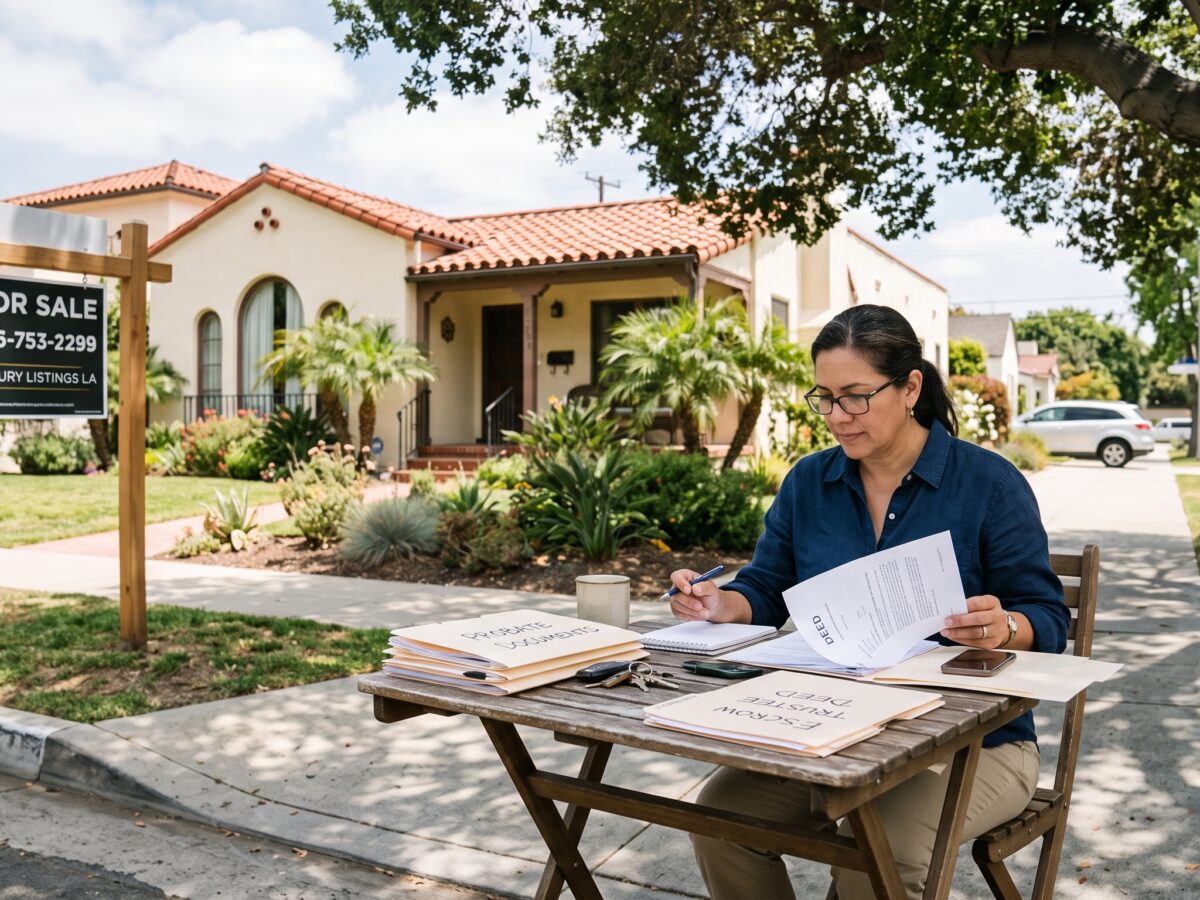
Selling a home after a loved one’s passing can involve both emotional decisions and unfamiliar responsibilities. If you’re handling the estate, you may be organizing belongings, communicating with beneficiaries, and trying to understand when the property can be sold.
A clear starting point is to establish who has authority to act and which procedures apply to the sale. From there, the estate’s attorney and real estate agent can coordinate the legal requirements and practical work.
Here are the key issues to discuss before bringing a probate property to the Los Angeles market.
Confirm Your Authority Before Making Commitments
Being named executor in a will does not, by itself, establish that you can immediately complete a property sale. Before signing listing or sale documents, have the estate’s attorney review your appointment, court-issued Letters, and any restrictions on your authority.
California probate administration may involve full or limited authority under the Independent Administration of Estates Act, commonly called the IAEA. That distinction matters when selling real estate. California court guidance on administration authority.
The term “personal representative” includes executors and administrators. Knowing your role and the scope of your appointment helps everyone prepare the correct documents and set realistic expectations.
Understand Whether Court Confirmation Is Required
Not every probate property sale follows the same approval process.
With full IAEA authority, a personal representative may generally sell real property without a confirmation hearing, subject to applicable notice requirements, objections, and court restrictions.
With limited authority, a real property sale requires court supervision. California’s Notice of Proposed Action form explicitly distinguishes these two situations. Review California Judicial Council Form DE-165.
For a sale requiring confirmation, the process may include a hearing at which higher bids can be presented. The accepted offer should therefore not be treated as a completed sale before the necessary approval. Los Angeles Superior Court provides forms for sale confirmation and bidding in open court. Los Angeles probate forms.
Ask your attorney to confirm the required path before marketing promises or closing dates are finalized.
Treat Notice Requirements as Part of the Timeline
Full authority does not mean the sale can proceed without considering interested parties.
A Notice of Proposed Action may be required before completing the transaction. Your attorney should determine who must receive it, how it must be delivered, and the applicable timing or exceptions.
An objection can prevent the personal representative from proceeding independently and require court involvement. Build this possibility into the sale schedule rather than assuming an accepted offer can close immediately. California court guidance on proposed actions and objections.
Clear communication with beneficiaries is helpful, but informal conversations do not replace required legal notices.
Organize Property Information Early
Before listing, gather the records that will help your attorney, agent, and escrow team understand the property.
Useful materials may include:
- Court appointment documents and relevant orders.
- Mortgage statements and property tax records.
- Insurance information.
- Available repair records, permits, and warranties.
- HOA documents, if applicable.
- Existing leases and information about occupants.
- The estate’s inventory and appraisal, when available.
Flag missing information early. If the property is occupied, ask the attorney about access and occupancy rights before arranging showings or promising vacant possession.
Separate Probate Valuation From Listing Strategy
The appraisal used in estate administration and an agent’s recommended listing price serve different purposes.
California’s probate inventory process generally includes valuation as of the date of death, with real property ordinarily appraised by a probate referee. A listing analysis considers the market when the home is being offered for sale. One does not replace the other. California court guidance on inventory and appraisal.
Ask your agent to explain recent comparable sales, current competition, and how the property’s condition affects its positioning. Your attorney should also confirm any appraisal or minimum-price requirements that apply to the particular sale procedure.
This coordination helps keep marketing decisions aligned with the estate’s obligations.
Make a Practical Property Preparation Plan
An estate property may need cleaning, maintenance, or attention after sitting vacant. Before authorizing substantial work, discuss the proposed spending and your authority to approve it with the estate’s attorney.
Start by documenting the property’s condition and obtaining estimates for work under consideration. Ask the insurance provider whether vacancy or a change in occupancy affects coverage.
Personal belongings need a separate plan. Confirm how they should be inventoried, retained, or distributed before arranging a cleanout.
For marketing, focus on an accurate presentation of the property. Review applicable disclosure requirements with your attorney and agent rather than assuming probate status eliminates them.
Evaluate Offers Beyond the Purchase Price
When offers arrive, compare the full terms.
Consider financing, contingencies, inspection requests, proposed timing, and whether the buyer understands the probate approval process. Ask your agent and attorney how each offer fits the estate’s requirements.
A proposed closing date should account for required notices, court proceedings when applicable, and title or financing issues that still need resolution.
Keeping a clear record of offers, recommendations, and decisions can also make communication with the estate’s professional team more efficient.
Remember That Closing the Sale Does Not Close the Estate
Selling the property is one step in estate administration. It does not automatically mean the proceeds are ready for distribution to beneficiaries.
The personal representative may still need to address debts, taxes, accounting, and distribution requirements. Coordinate the handling of sale proceeds with the estate’s attorney and tax professional. California court guidance on estate responsibilities.
Keep the closing statement and supporting transaction records organized for that work.
Begin With a Coordinated Plan
A probate sale becomes easier to follow when responsibilities are clear. The attorney addresses authority and legal procedure; the real estate agent handles pricing, preparation, marketing, and negotiations within that framework; escrow and title professionals help coordinate the transfer.
If you’re preparing to sell a probate property in Los Angeles, start by confirming your authority and identifying the questions that need answers before listing.
Contact Emily Lin to discuss the property and the real estate steps involved in preparing it for sale.
This article provides general information, not legal or tax advice. The estate’s attorney should confirm the requirements for your specific case.